In the competitive world of marketing and data analysis, a deep understanding of customer behavior is crucial. RFM (Recency, Frequency, Monetary Value) analysis is an essential tool for businesses seeking more effective and personalized strategies.
But what exactly is the RFM matrix, and how can it help your business grow? In this article, we will explore the basics of RFM analysis and the advantages it can offer your marketing strategy.
What is RFM Analysis?
RFM analysis is a customer segmentation technique that assesses three main dimensions:
- Recency: How long ago did the customer make their last purchase?
- Frequency: How often does the customer make purchases?
- Monetary Value: How much does the customer typically spend?
These three dimensions are used to classify customers into different segments, allowing businesses to identify which customers are most valuable and which need more attention.
Building the RFM Matrix
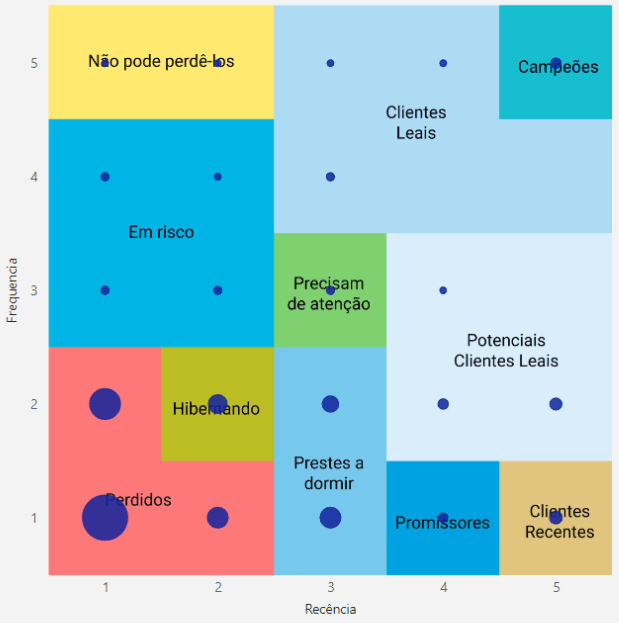
To construct an RFM matrix, it’s necessary to gather customer transaction data. Each customer is assigned a score for each dimension (Recency, Frequency, Monetary Value), typically ranging from 1 to 5, where 1 indicates low performance and 5 indicates high performance.
For example, a customer who recently made a purchase, buys frequently, and spends a lot will receive a high score in all three dimensions (5, 5, 5). Conversely, a customer who hasn’t made a purchase in a long time, buys infrequently, and spends little will receive a low score (1, 1, 1).
Importance and Benefits of RFM Analysis
RFM analysis is particularly critical for e-commerce, where competition is fierce and personalization is key. It helps in several ways:
- Identifying Valuable Customers: RFM helps pinpoint the most valuable customers for your business, allowing you to focus on keeping them engaged and satisfied.
- Optimizing Marketing Campaigns: With a better understanding of customer behavior, you can craft more targeted and effective marketing campaigns, leading to a higher return on investment.
- Increasing Customer Retention: Identifying customers at risk of becoming inactive allows you to devise strategies to re-engage them, enhancing retention and customer lifetime value.
- Personalizing Offers: With RFM analysis, you can tailor offers and promotions based on customer purchasing behavior, increasing the likelihood of conversion.
- Identifying Purchase Patterns: The ability to track and analyze customer transactions accurately enables online stores to recognize purchase patterns and predict future behaviors.
- Real-time Strategy Adjustments: RFM analysis allows you to adjust your marketing strategies in real time, ensuring your campaigns are always relevant and effective.
- Enhancing User Experience: Detailed segmentation enables highly personalized email marketing campaigns, targeted promotions, and an improved user experience, leading to greater customer satisfaction and loyalty.
Implementing RFM Analysis
To implement RFM analysis in your business, follow these steps:
- Data Collection: Gather customer transaction data, including the date of the last purchase, the frequency of purchases, and the amount spent on each transaction.
- Calculating RFM Scores: Assign scores for Recency, Frequency, and Monetary Value based on the collected data.
- Creating the RFM Matrix: Combine the scores for each customer, forming distinct segments.
- Analysis and Action: Analyze the segments and develop specific marketing strategies for each group.
Transform Your Data into Strategic Decisions with Kondado
Conclusion
RFM analysis is a powerful tool that can transform how you understand and interact with your customers. By segmenting your customer base based on the recency, frequency, and monetary value of purchases, you can create more effective marketing campaigns, increase customer retention, and boost sales. If you haven't started using the RFM matrix yet, now is the perfect time to begin and see the benefits it can bring to your business.